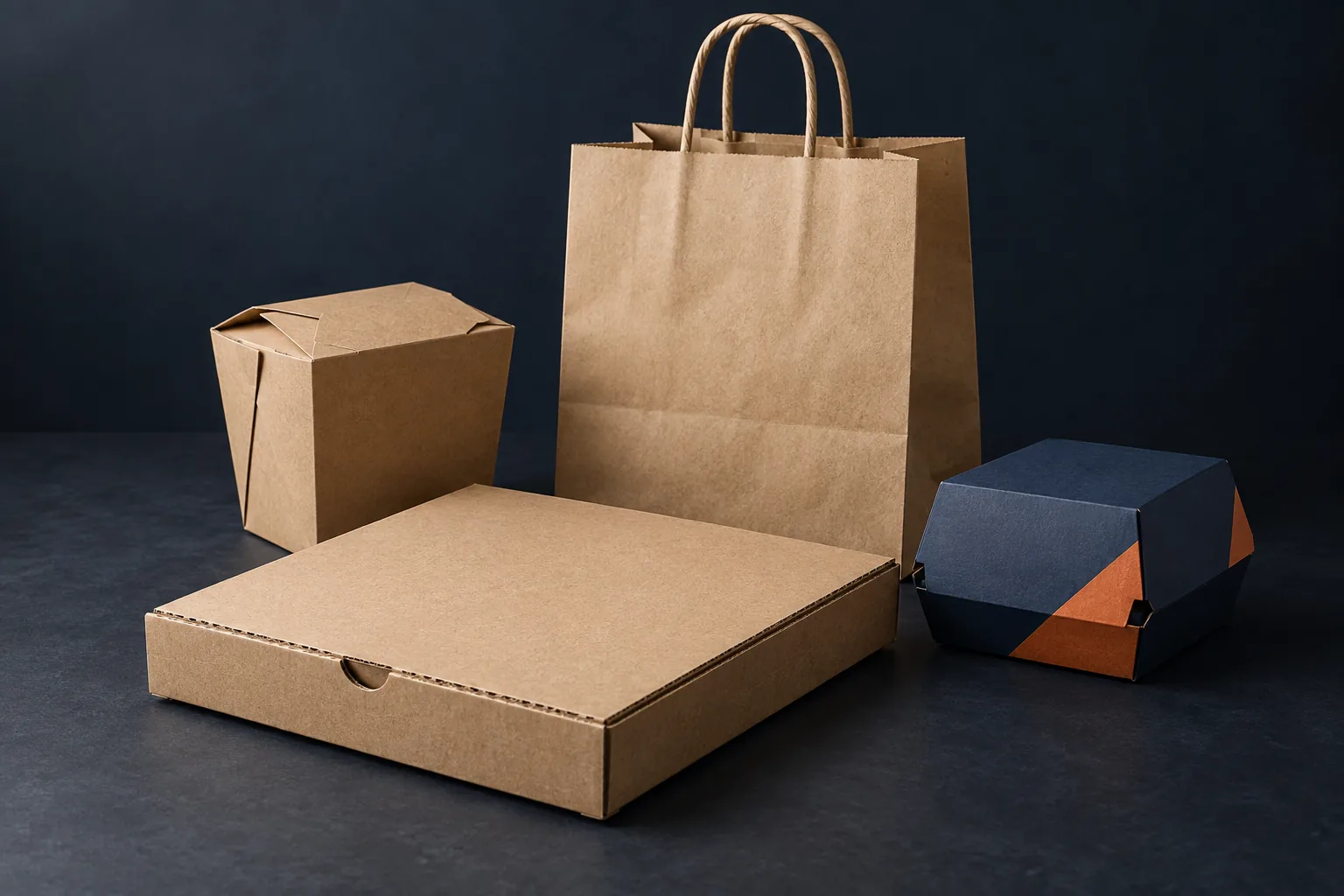
Start with the product and the job the packaging must do
A useful packaging brief explains what you are packing before it names a box. Describe the product, how it is filled or packed, how customers receive it, and what happens between those moments. A takeaway meal carried home and a retail product sent through a parcel network need different discussions. Include photographs or an existing sample when they clarify the shape or packing process. Tell the supplier whether you are replacing a current format, launching a new product or comparing alternatives.
- State the product and its approximate weight.
- Describe the packing process and expected handling.
- Explain what works in your current packaging and what needs to change.
Make dimensions and construction unambiguous
Write the measurement units beside every dimension and specify whether the measurements are internal or external. If you are unsure about the finished box size, provide the product dimensions and describe the clearance, insert or divider you need. A drawing can explain which side opens, how the lid closes and where a window belongs. Mark critical measurements separately from those that can change. Ask the supplier to confirm its dimension order in the quotation, so that length, width and height are not interpreted differently.
Describe the use conditions before choosing materials
If you know the existing board or paper specification, share it. If not, describe the conditions the packaging faces instead of guessing a material grade. Mention moisture, grease, temperature, stacking, storage and contact with the product where relevant. Explain whether the inside must have a particular finish or barrier. Ask which material options suit the stated use and which supporting information can be provided. Appearance alone cannot confirm suitability, and a general material description should not replace agreement on the actual construction.
- Identify any restrictions on materials or coatings.
- List documents or test information your purchasing team requires.
- Ask for alternatives to be identified clearly, with any trade-offs explained.
Separate artwork requirements from structural details
Say which surfaces need printing and whether different products share the same design. Supply the current artwork if it exists, but identify it as a reference when it is not ready for production. Tell the supplier about brand colours, small text, barcodes and areas that must remain unprinted. Ask for its file requirements and the correct structural template before preparing the final files. Agree how the artwork will be reviewed and approved, and whether a physical print sample is needed to assess the result on the proposed material.
Break down quantities by size and design
A single total quantity is not enough when an order includes several sizes, colours or designs. List each combination separately and show the quantity required for each. Distinguish the first order from a possible repeat order or annual estimate; forecasts help a discussion but should not be presented as confirmed purchases. If you are flexible about quantities, ask the supplier to quote clearly named alternatives. Request that any separate setup, tooling, sample or artwork charges be shown, and ask how those charges would apply to a repeat order.
Give a delivery destination and a realistic schedule
Provide the delivery country and a sufficiently precise destination for the supplier to define the transport scope. Explain whether you want a quotation for collection or one that includes delivery, and ask exactly which services and costs are included. Share your desired arrival date as well as any planned launch or packing date. Keep artwork approval, sampling, production and transport as separate stages when discussing timing. Ask which assumptions could change the proposed schedule, rather than treating an early estimate as a confirmed delivery commitment.
Agree the sample and approval process
Explain what your team needs to approve before placing or releasing an order. You may want to assess the dimensions, packing process, appearance or printed design, and a single sample may not answer every question. Ask what each offered sample represents, what it costs and how long it takes to prepare. Record the agreed specification and the person responsible for approving it. If a sample leads to a change in material, size or artwork, ask for the quotation to be updated before relying on the earlier price.
- Identify who reviews the sample and who approves production.
- Record changes in one version of the brief.
- Keep approved files and specifications together for future orders.
Compare quotations against the same brief
When quotations arrive, check that each supplier has priced the same dimensions, materials, design variants, quantities and delivery scope. Look for exclusions and assumptions as carefully as the headline price. Ask questions where descriptions are incomplete, and keep optional alternatives separate from the requested specification. A concise comparison built around your brief makes differences easier to discuss. You do not need every answer before making contact: send what you know, mark the open questions, and use the quotation process to resolve them before committing to production.